Tips and Advice for Photographing Algoma's Wildlife
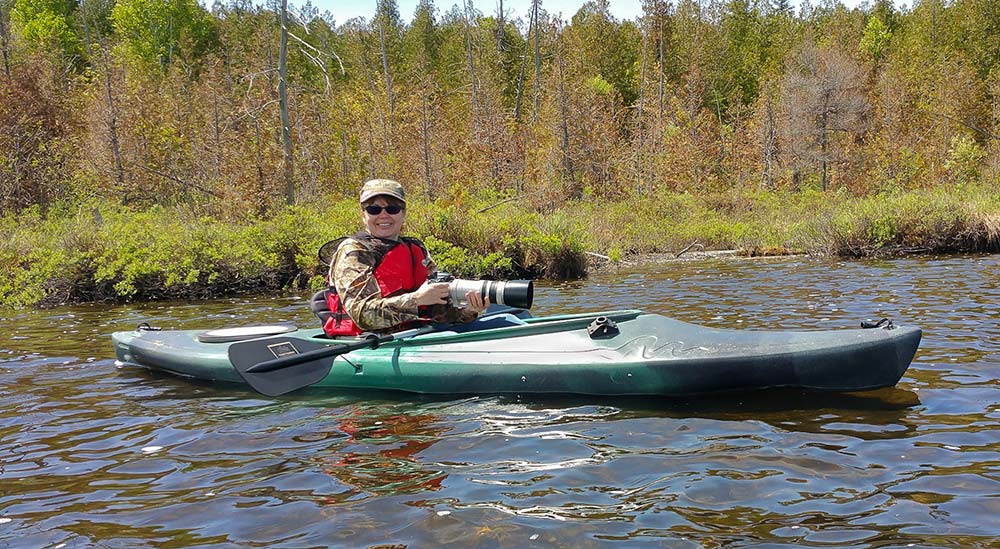
How about you take a trip to photograph Algoma’s Wildlife? Whether you are hiking, fishing, cycling, kayaking or boating throughout the Algoma region, you are bound to come across our magnificent wildlife.
A Photographer’s Paradise
Algoma Country is a photographer’s dream location for any type of photography you could imagine. There are plenty of dark sky areas to photograph the Milky Way and the Aurora Borealis. The landscapes and waterscapes of Lake Superior and Lake Huron do not disappoint. Both of these Great Lakes have riveting sunrises and sunsets. But most of all, Algoma has an abundance of wildlife.
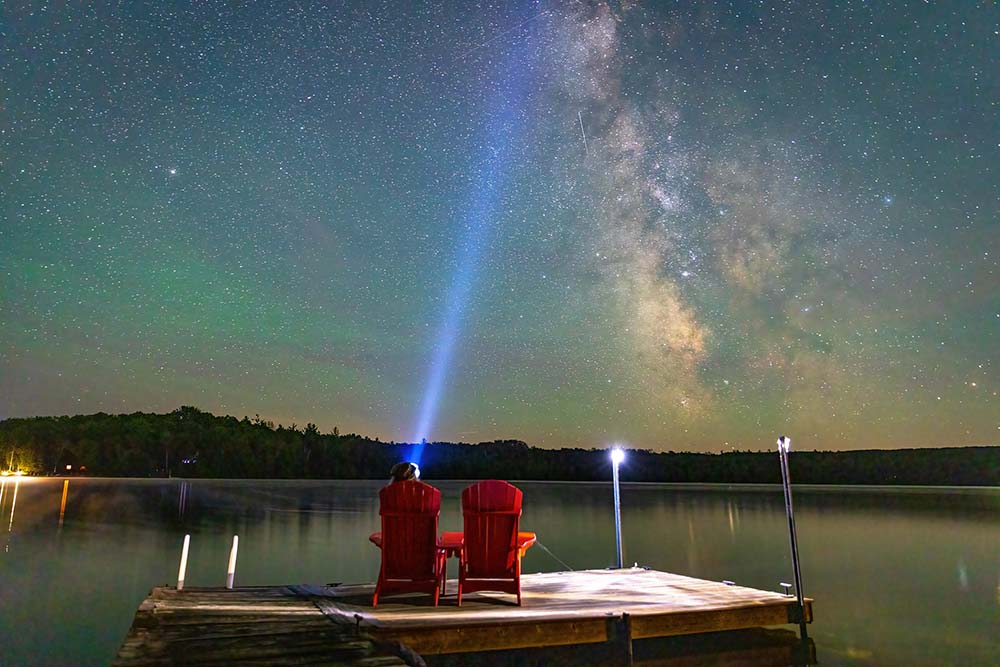
Nothing beats stepping into Algoma’s landscapes to escape the hustle and bustle of city life. There are so many beautiful provincial and national parks to set up camp. If camping isn’t for you, there are plenty of beautiful Hotels and Bed and Breakfasts in the area to stay in. Check out to find the best places to stay and eat while you are here.
Ethical Wildlife Photography in Algoma
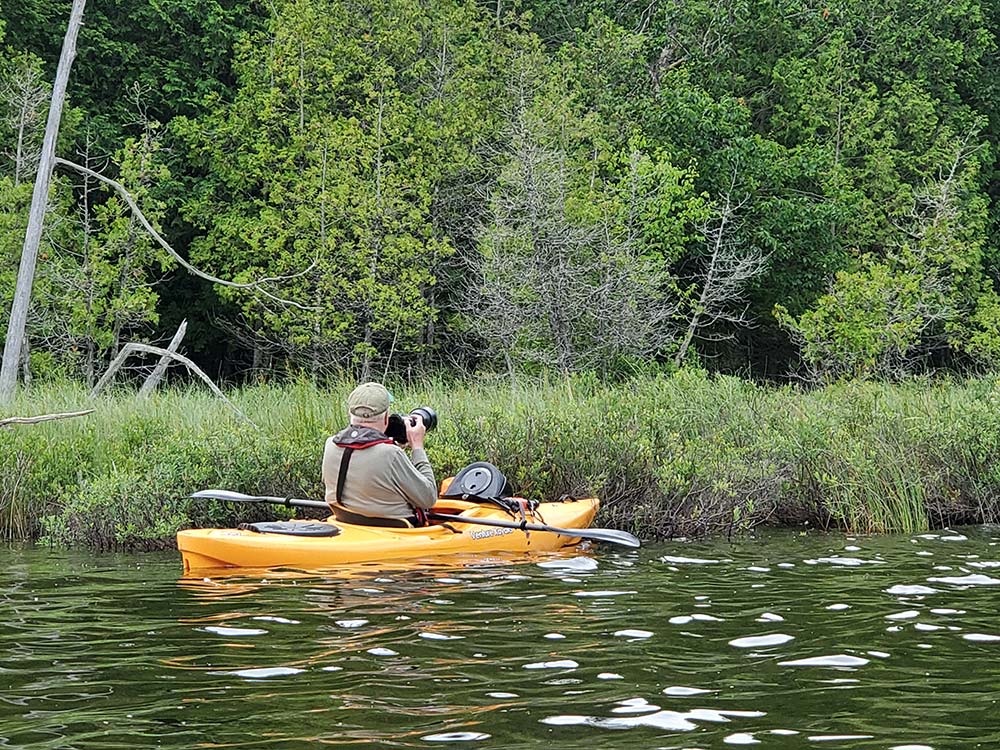
To photograph Algoma’s Wildlife, it helps to have a longer lens to stay a safe distance from the wildlife. A lens anywhere from 300 to 800 mm is a good range. You also don’t want to disturb the wildlife in their natural habitat. Please remember it is unethical to bait the wildlife, as this is a sure future death sentence for them. They will learn a human equals food and will either have to be put down by local authorities if they become a threat to humans or the wildlife could be hit by a car if they are going for food on the side of the road. Click here for ethical wildlife photography.
The best time of the day to see wildlife is early morning and late evening. These are the cooler times of the day and the most active times for feeding. This doesn’t mean you won’t see wildlife at other times. It just means your chances are much greater. It also helps to learn the habitat of the wildlife you wish to encounter. Understanding wildlife’s habitat, habits and characteristics give you an edge for a greater probability to see the mammal you are looking for.
A Diverse Ecosystem
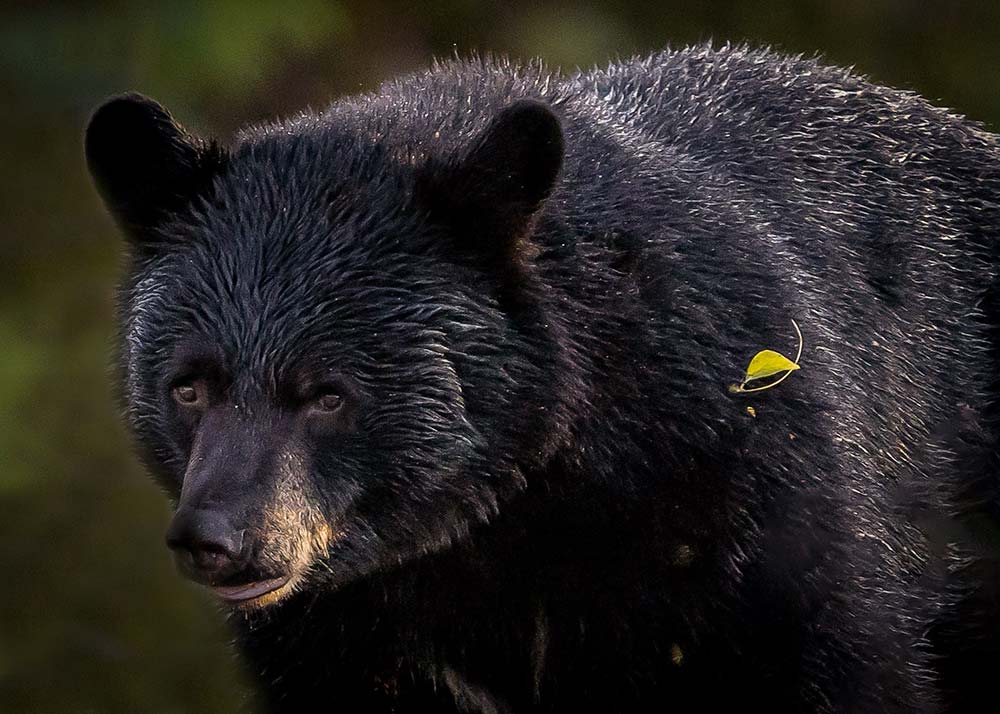
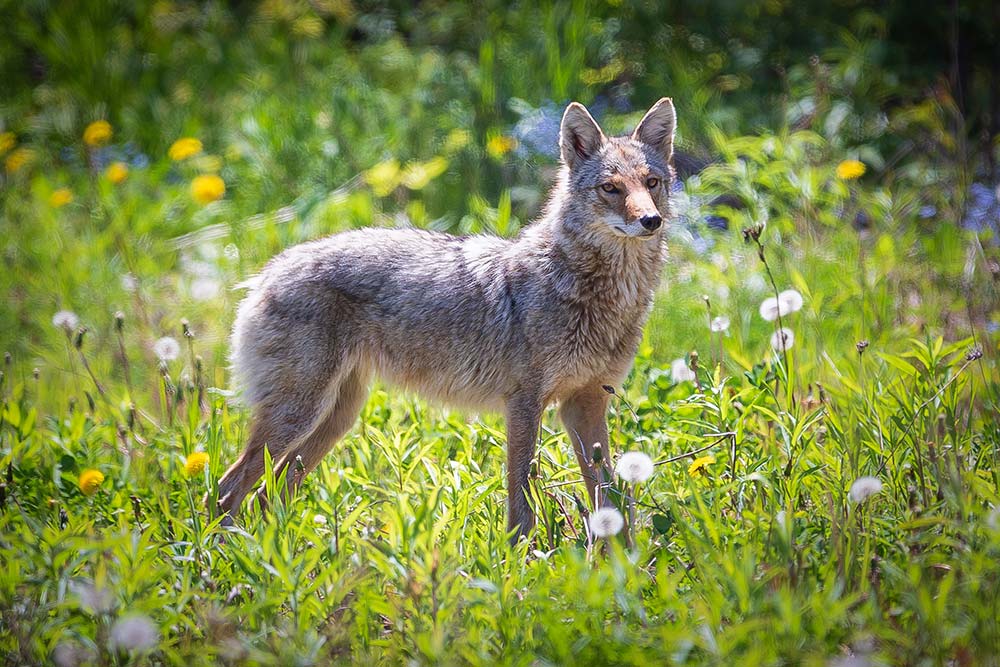
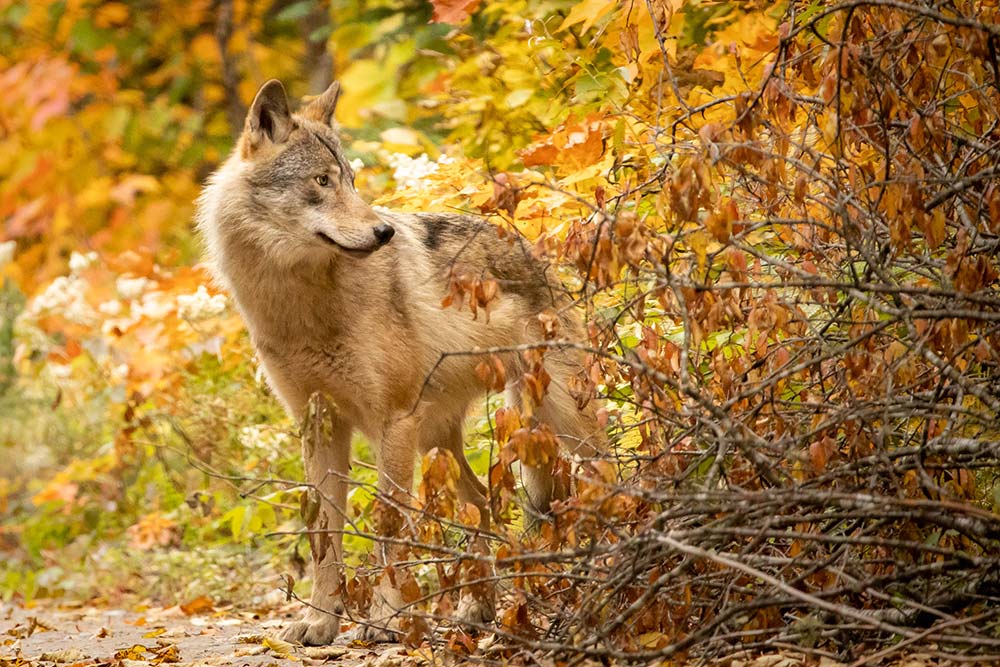
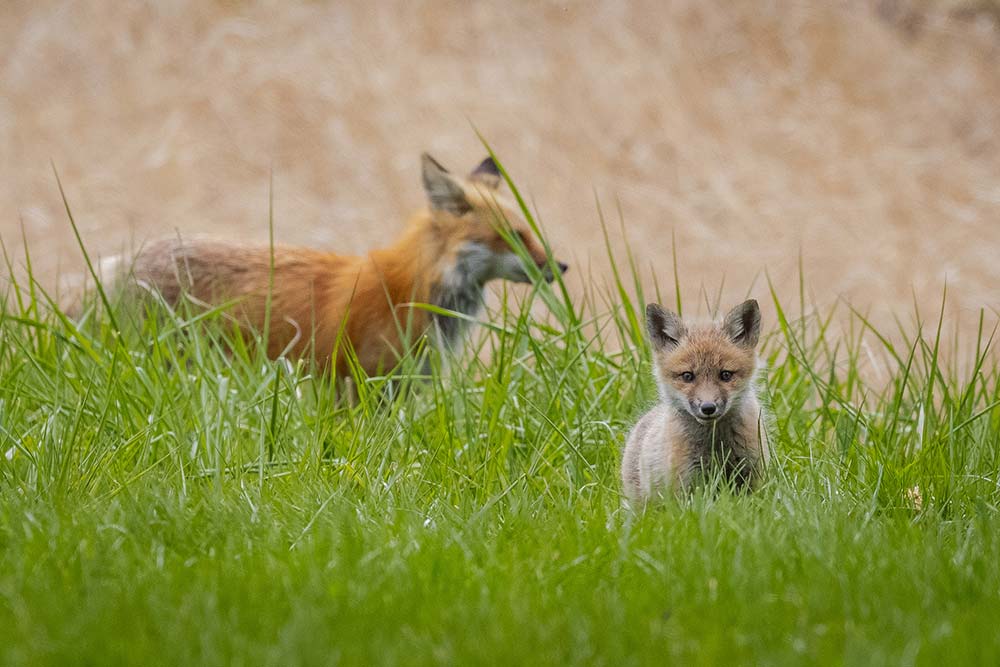
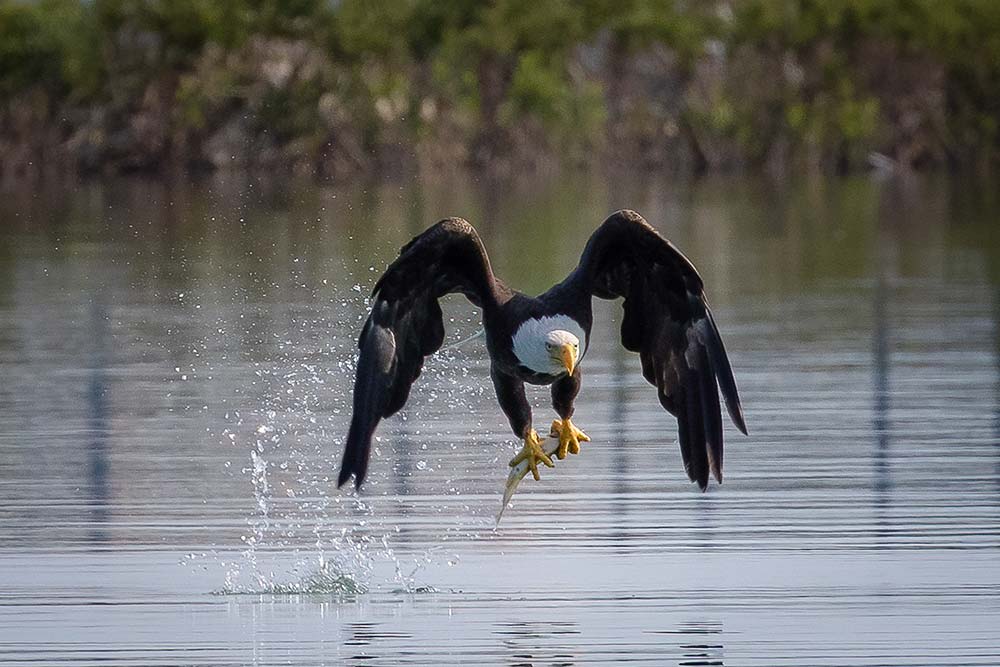
Algoma has two biomes. One is the Great Lakes/the St. Lawrence Forest area for most of Algoma. The very northern part of Algoma is the Boreal Forest. Algoma consists of deciduous and coniferous forests with many inland lakes, rivers, bogs, swamps and coastal waters along Lake Huron and Lake Superior. Predatory mammals are more populous here in Algoma, such as black bear, coyote, grey wolf, red fox and moose. Eagles are very common along the waterways.
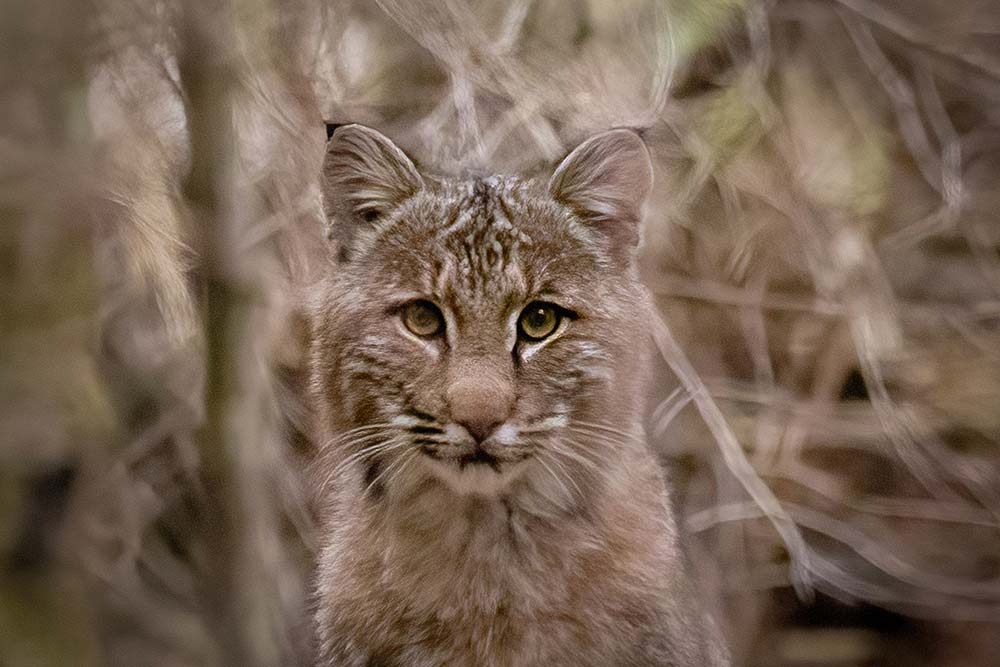
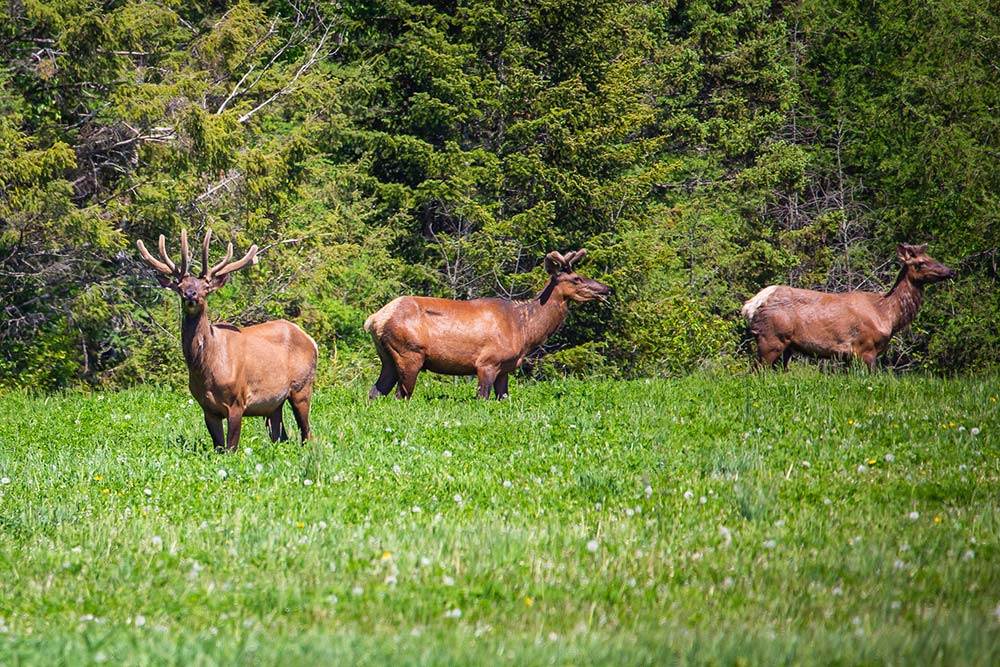
Less common wildlife but just as exciting to see are lynx, bobcat and elk. Lynx and bobcat are more elusive and hard to find. This makes it even more exciting if you happen to come across one! St. Joseph Island has the most bobcats per capita in Ontario. I have only seen two in twenty years on the island. The elk are in the Laird and Desbarats areas. They were brought back to the region about 20 years ago. Several herds seem to be prospering. You will often find them grazing in fields during the early morning or late evening.
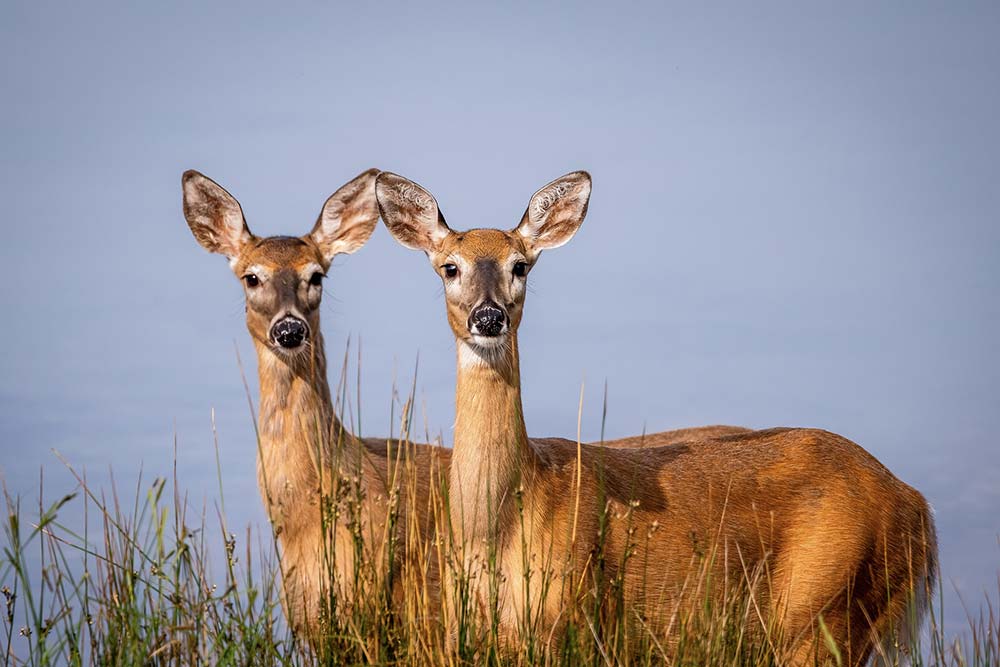
East of the Sault is where you will find the most white-tailed deer. There is an abundance of them on St. Joseph Island.
Waterway Wildlife
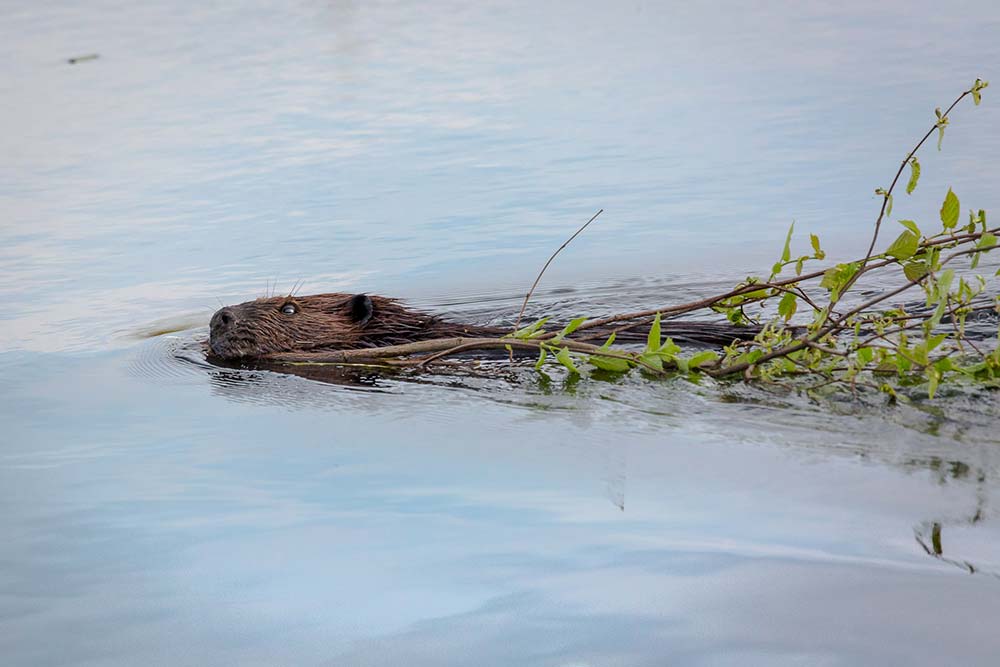
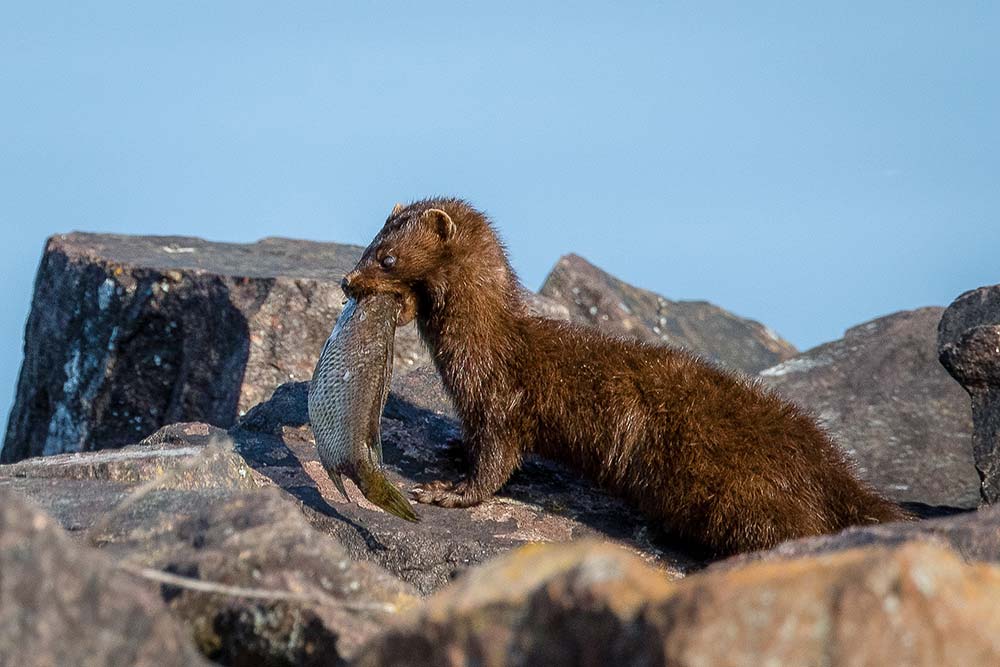
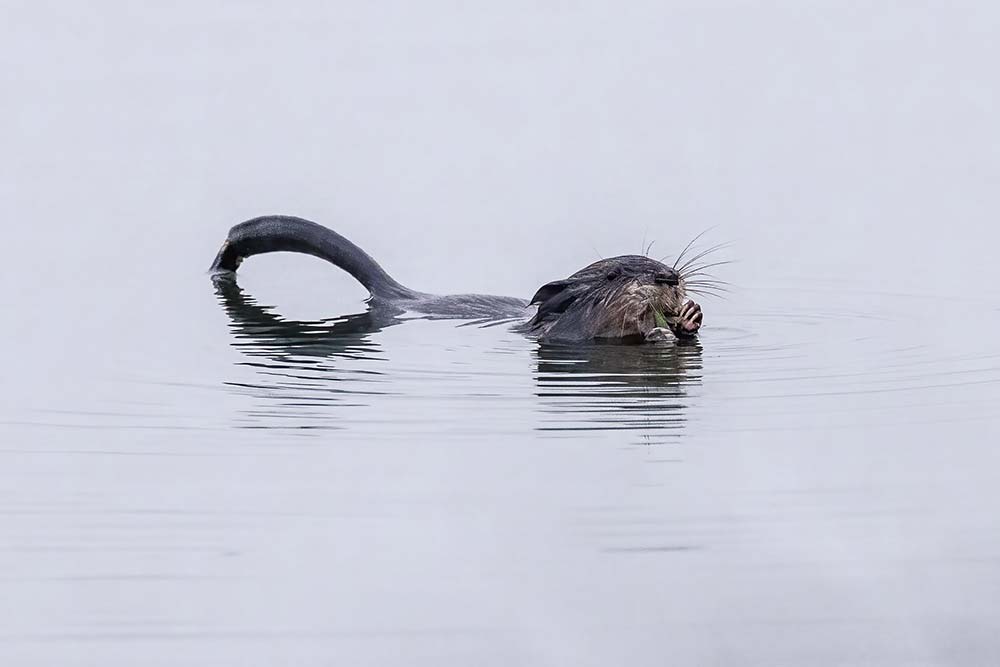
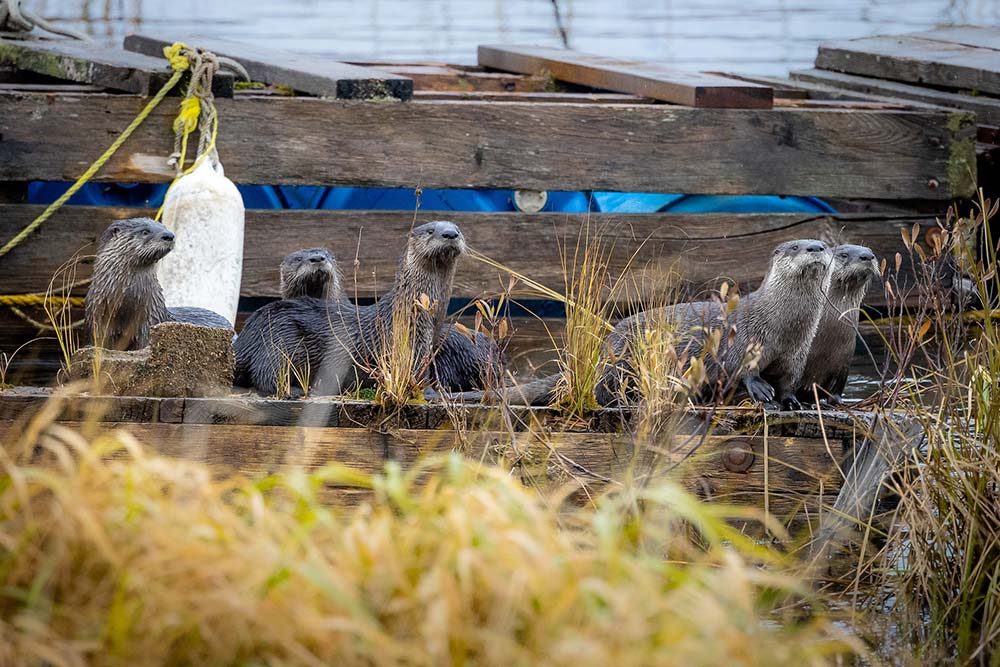
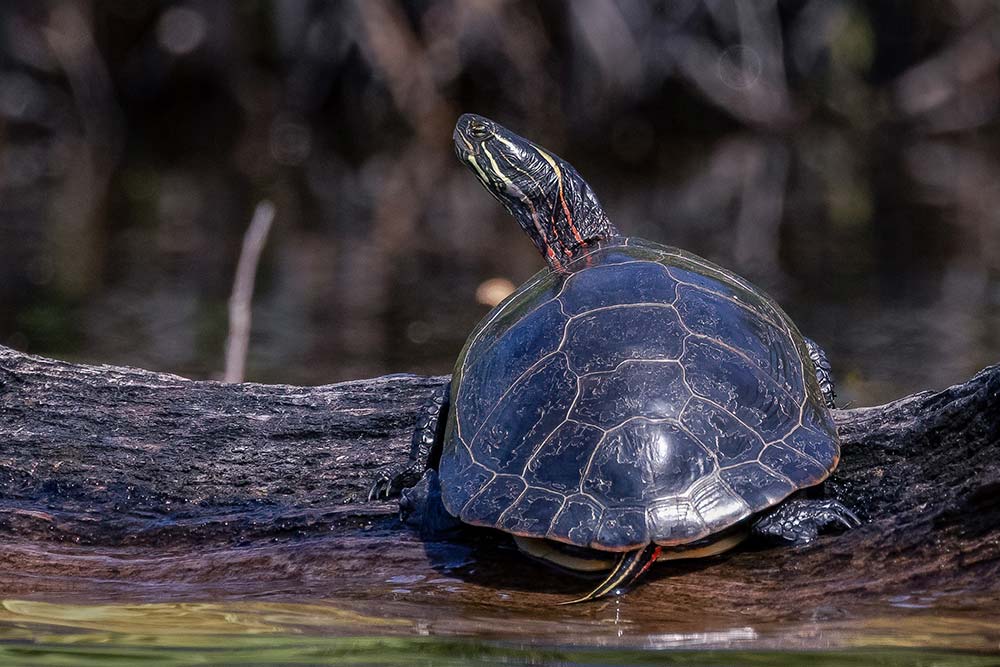
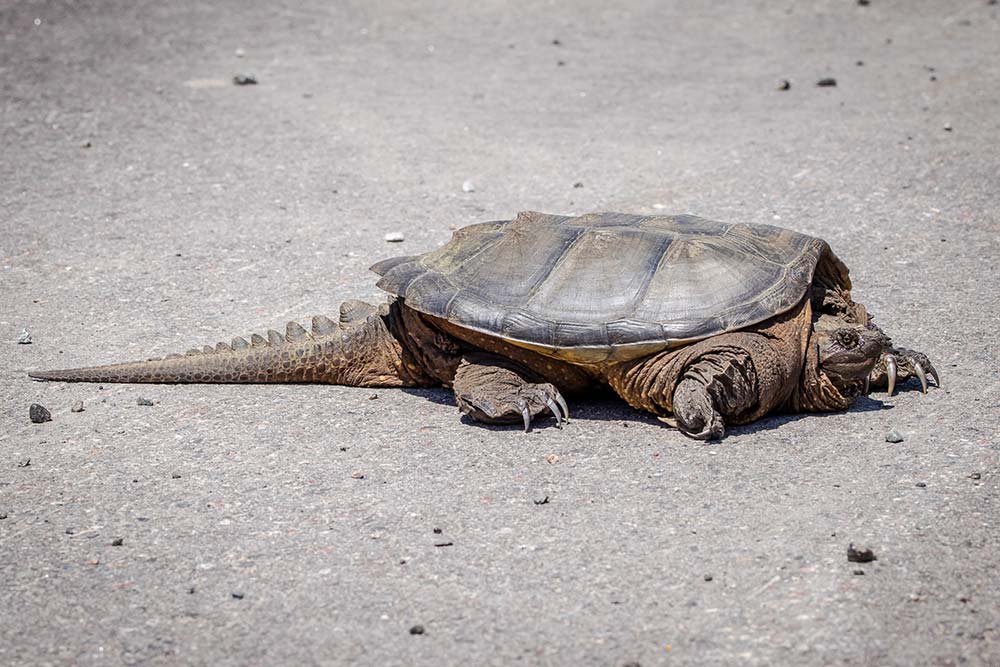
Closer to the waterways you will come across beaver, mink, muskrat and river otters. Each can be very comical and entertaining to watch. The main turtles are the painted turtles and snapping turtles. The painted turtles sun themselves on the logs along the shorelines. The snapping turtles can be seen surfacing on some lakes or crossing the roads. Please be sure to watch for the turtles crossing the roads. Please be careful not to hit them with your vehicle.
Common Critters
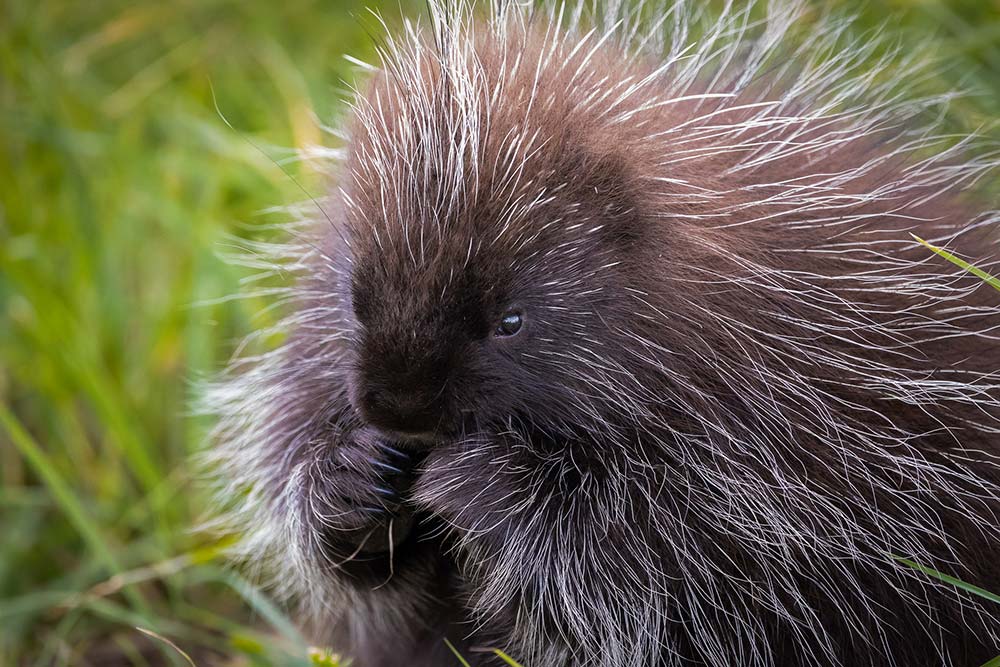
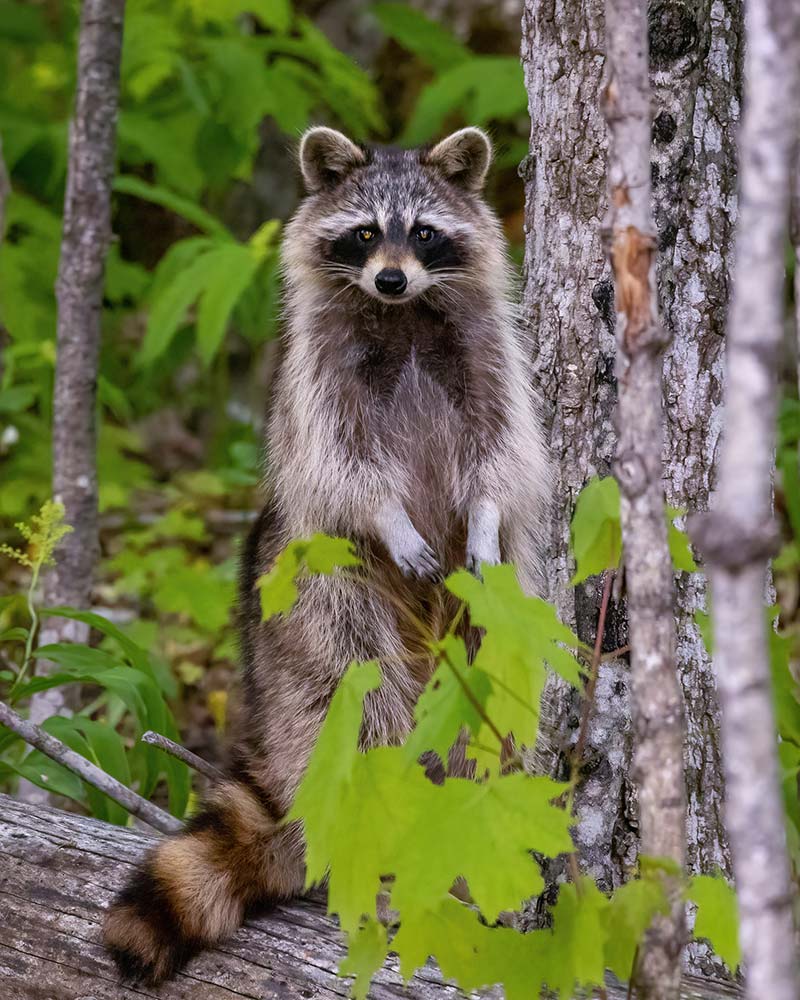
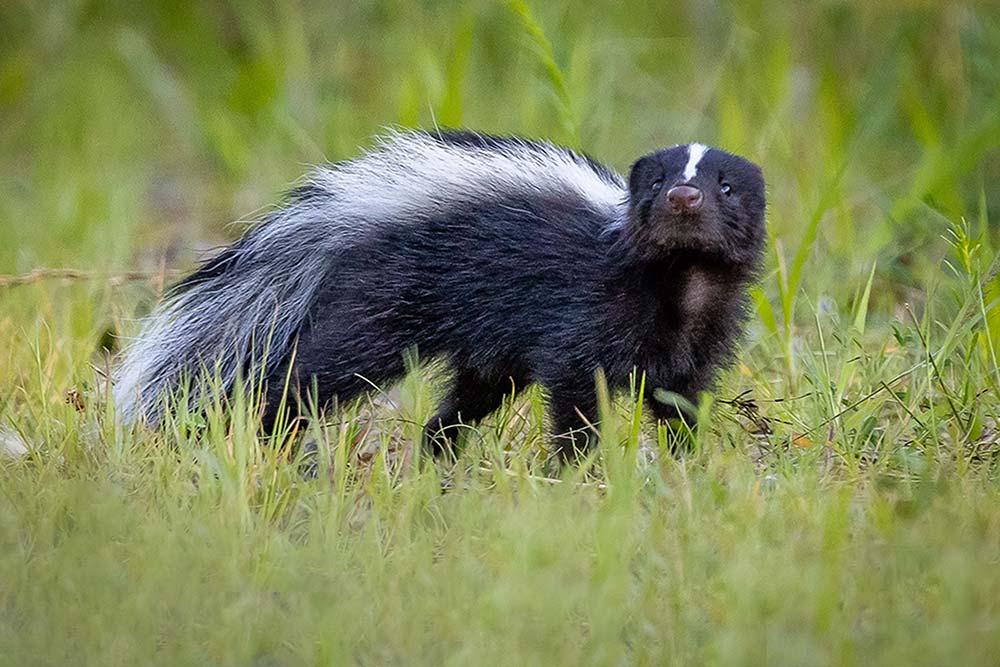
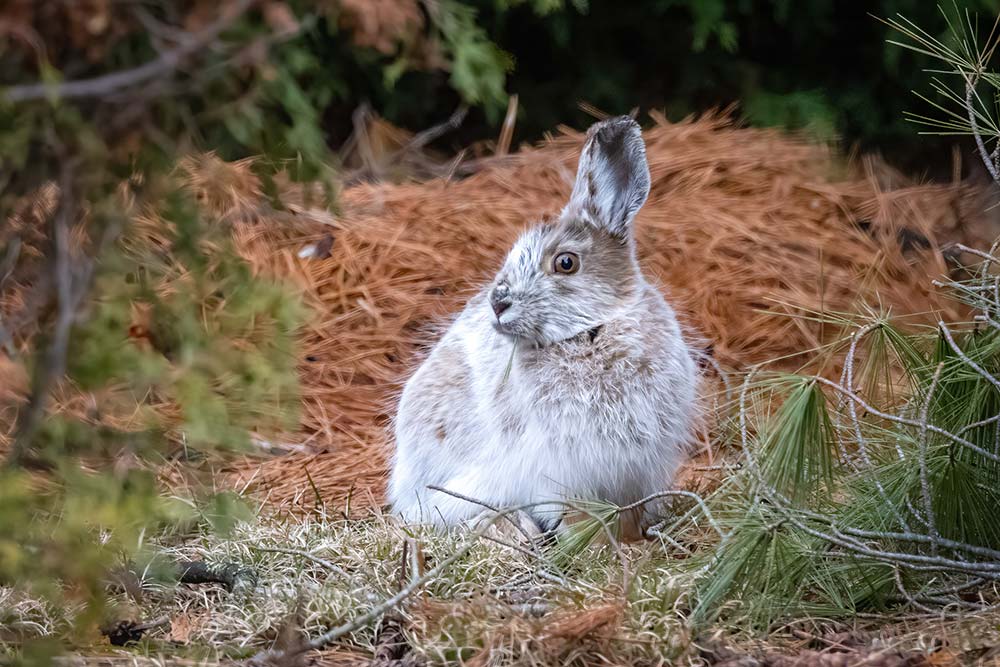
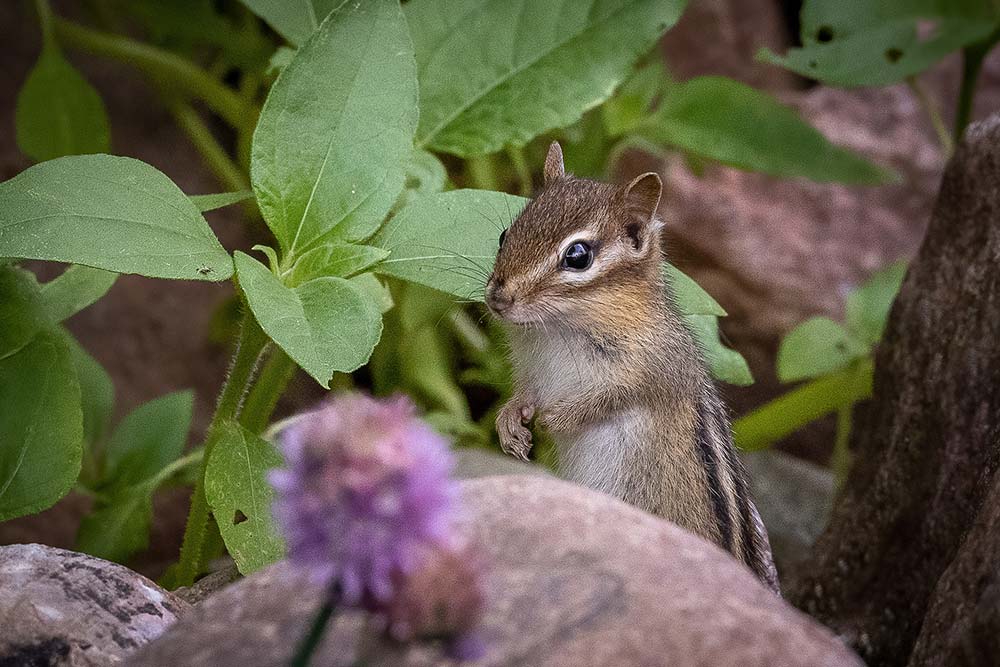
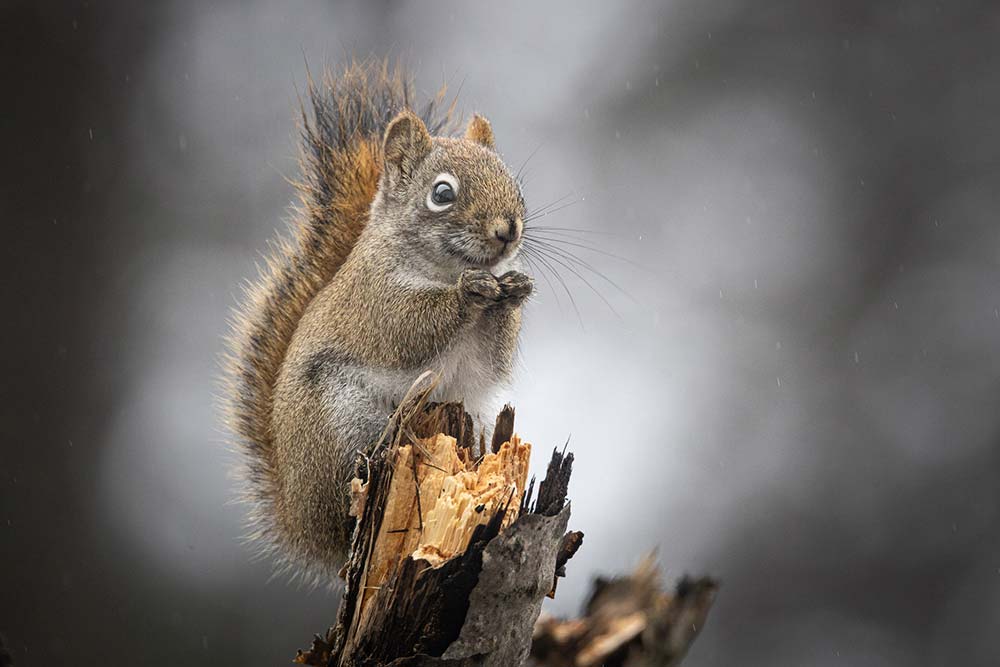
Some smaller mammals you will find are ground hogs, porcupines, skunks, snowshoe hares, raccoons, chipmunks and squirrels. These are quite plentiful in all areas of Algoma.
An Algoma Birdwatcher’s Guide
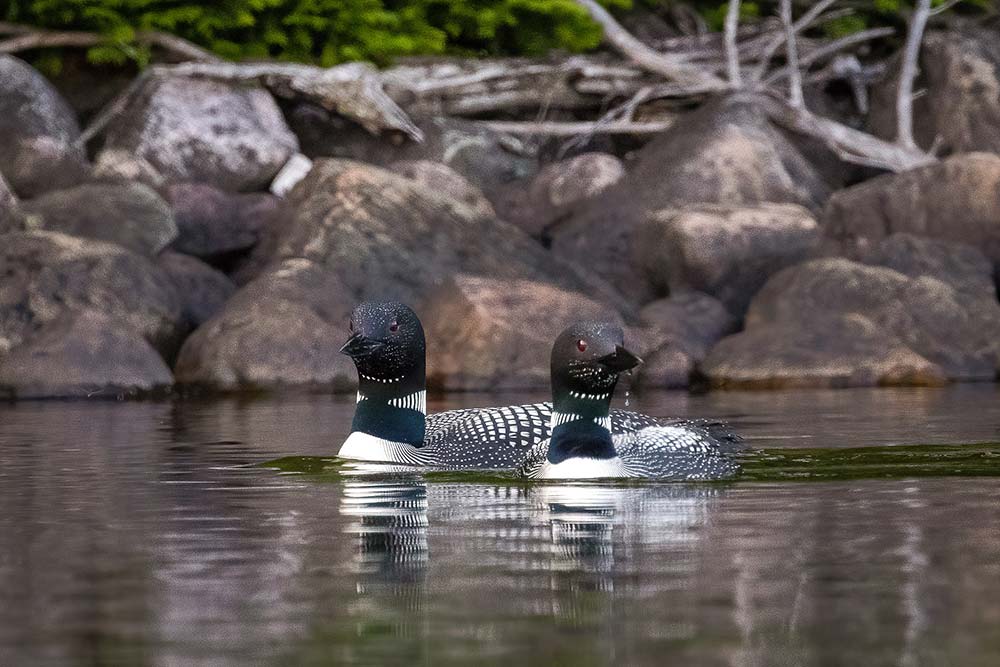
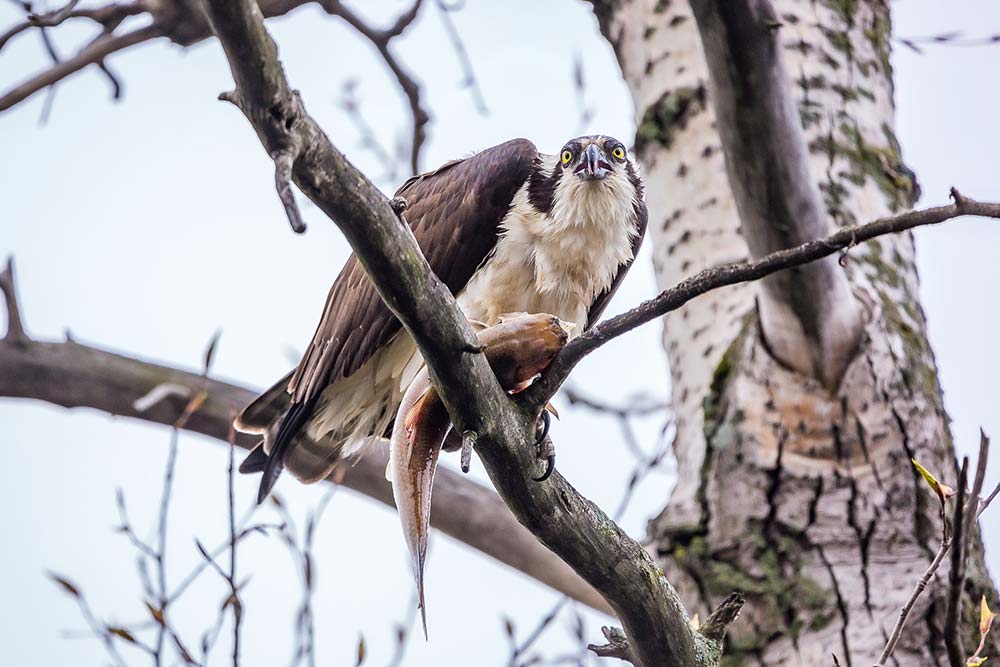
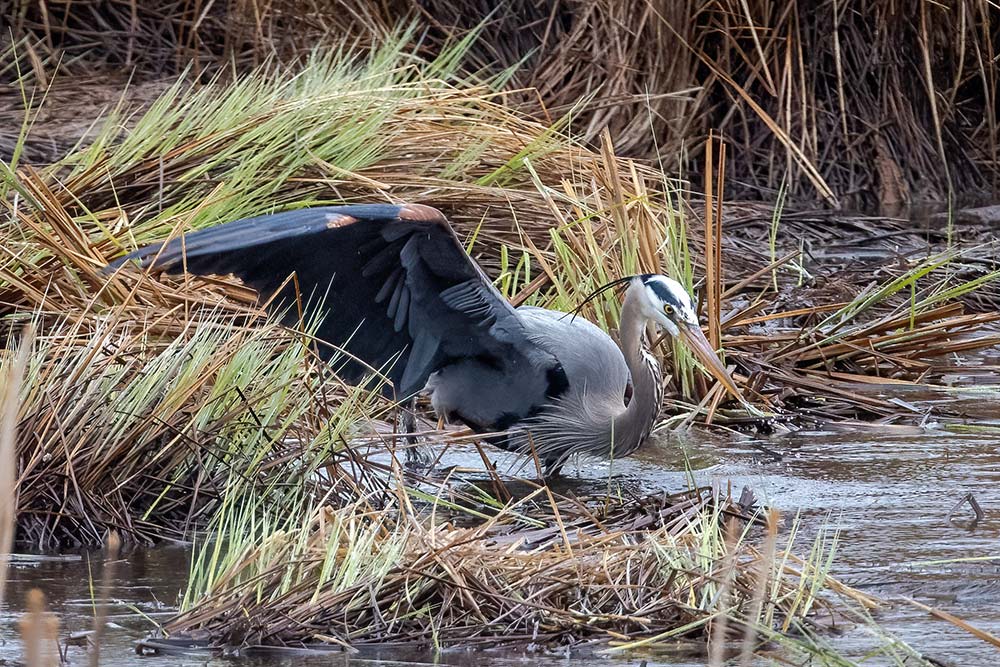
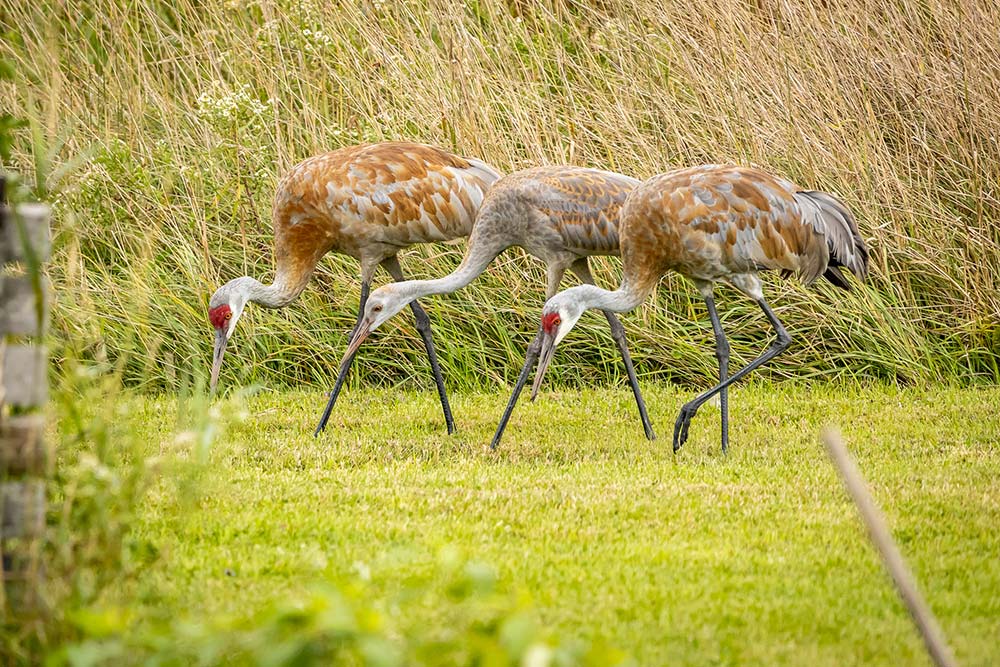
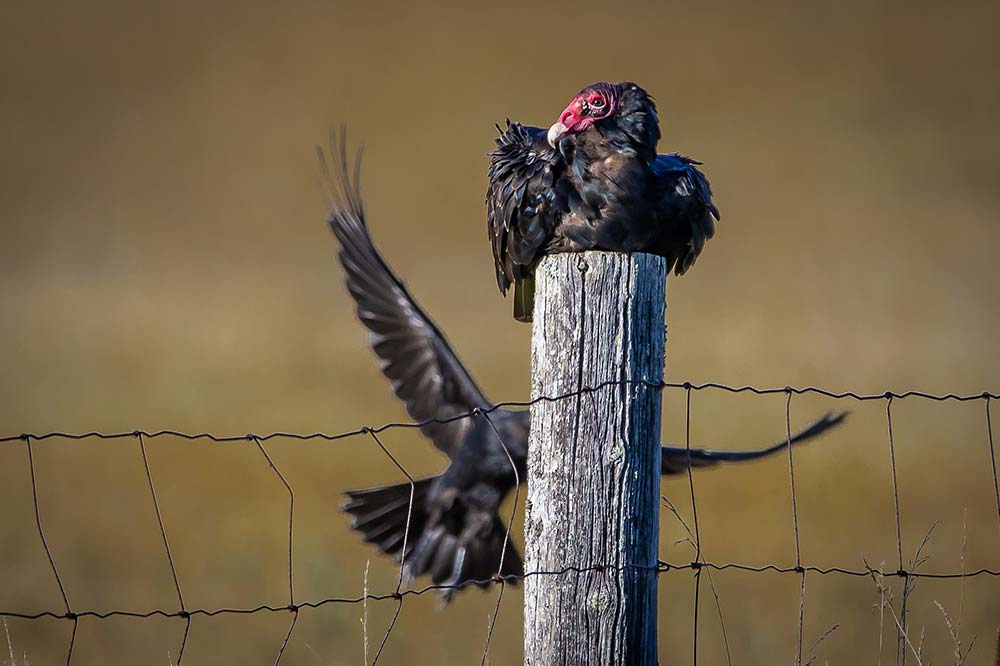
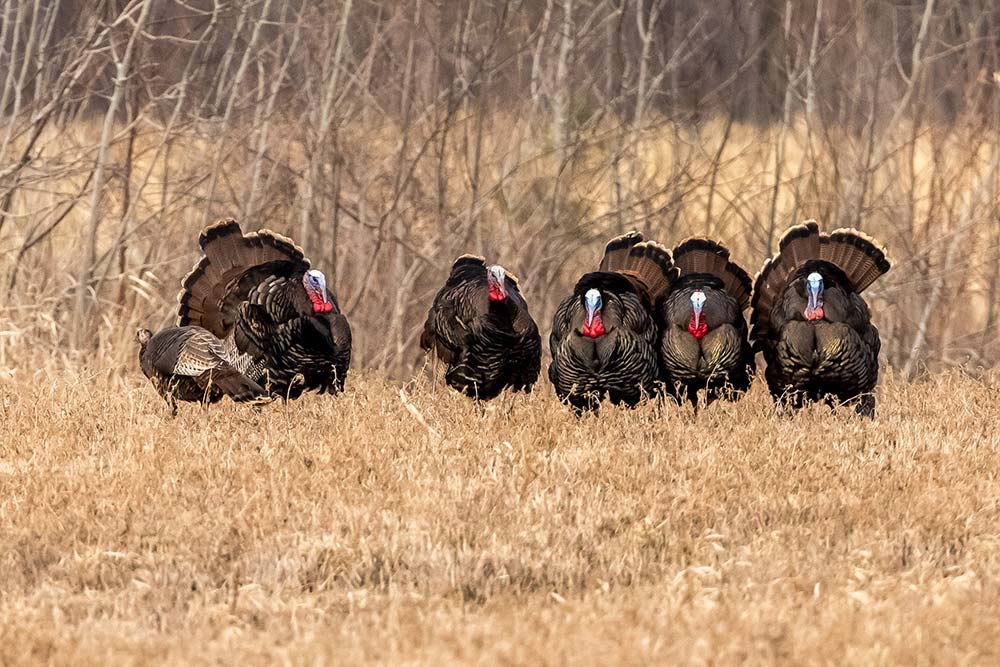
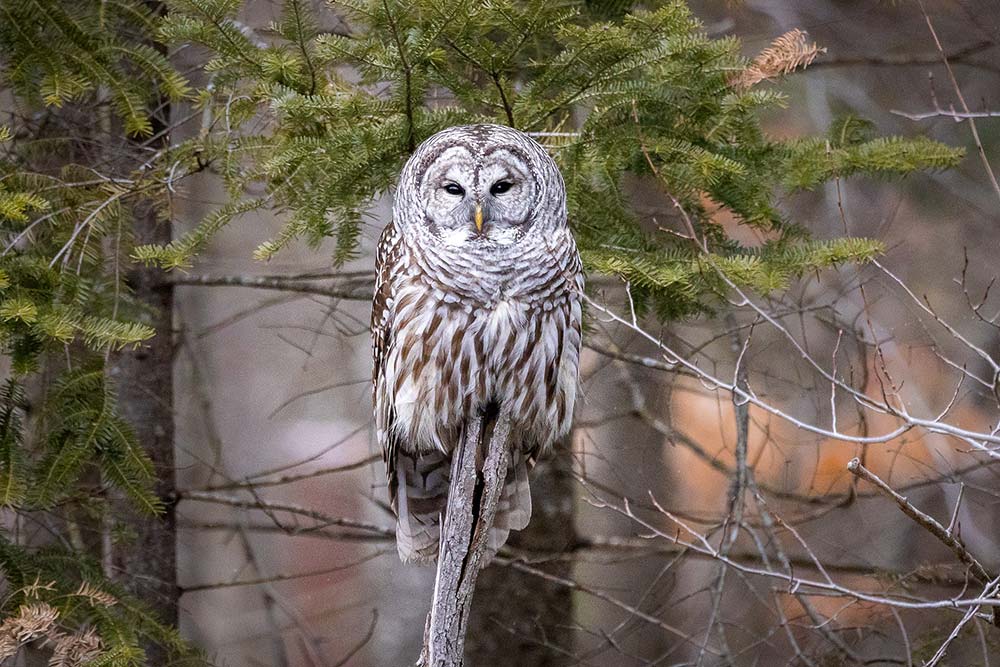
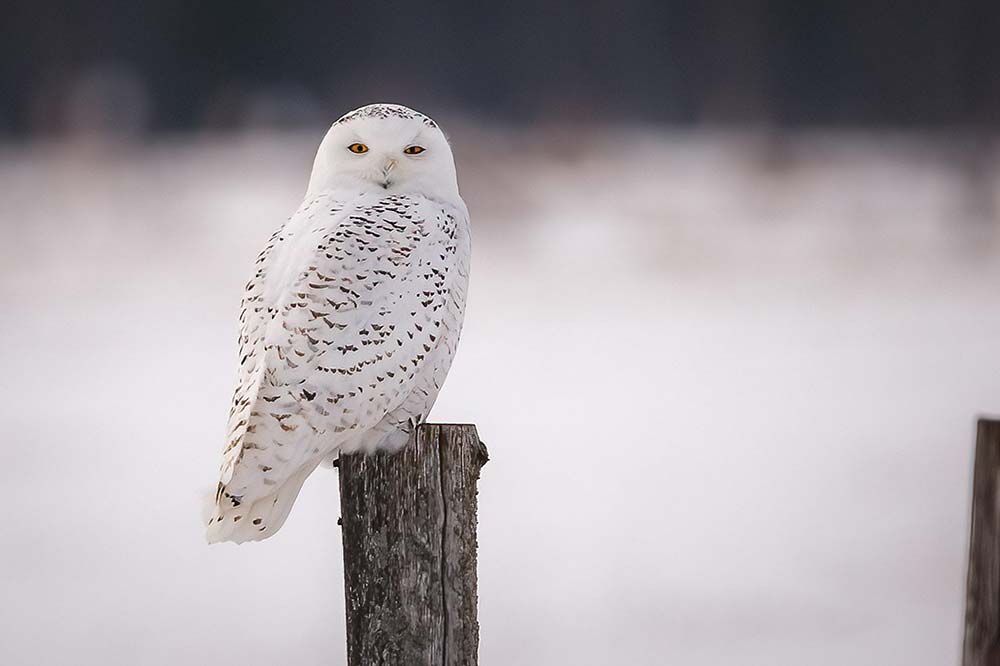
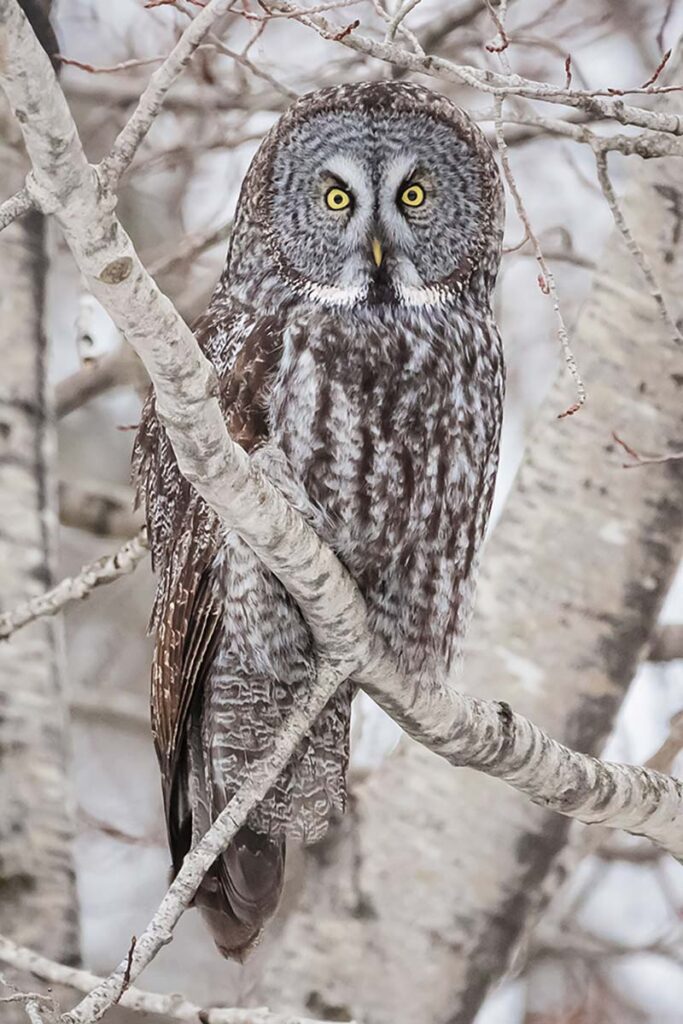
Birds are of great abundance in Algoma! The biggest and most common you will find are loons, bald eagles, osprey, cormorants, turkey vultures, great blue herons, sandhill cranes, wild turkeys and owls. The owls you will find are the barred owl, great horned owl, great grey owl, snowy owl, long-eared and short-eared owls, northern saw-whet, northern hawk owl and boreal owl. Various gulls are in abundance, with other migratory birds moving through in spring and fall. To find the hundreds of birds found in Algoma, visit eBird.org
Enjoying Algoma’s Wildlife Responsibly
Many of Algoma’s wildlife can be seen from your vehicle, hiking, and through various forms of boating. Please remember to respect the wildlife you encounter, stay safe and take all garbage home with you. Have a snapping good time and enjoy our wild neighbours in Algoma!
Resources for Wildlife Photography in Algoma Country